
The Flavorful World of Spices: Health, Cooking, and Global Trade Insights
Spices do more than flavor our meals—they’re rich in antioxidants, anti-inflammatory agents, and essential nutrients. This overview highlights some of the most widely used spices, focusing on their health benefits, culinary applications, and export statistics.
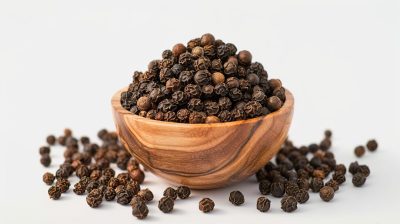
Black Pepper
Description:
Black pepper with its sharp, spicy bite, enhances the depth of both savory and sweet dishes. It’s commonly used in spice rubs, marinades, and seasoning blends for meats and vegetables.
Health Benefits:
- Aids digestion by stimulating enzymes and reducing bloating
- Contains piperine, known for anti-inflammatory effects
- Loaded with antioxidants
Key Highlights:
- Primary Origins: India, Vietnam, Indonesia
- Global Export Value (2022): $2.26 billion
- Top Exporter: Vietnam (41% of the world’s exports)
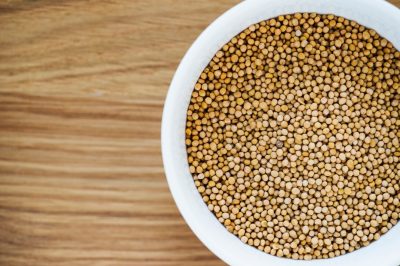
Coriander Seeds
Description:
Coriander seeds, harvested from the coriander plant, are widely used in Mediterranean, Middle Eastern, and Indian cooking. They have a mild citrusy flavor and lend depth to a range of dishes.
Health Benefits:
- Aids digestion by supporting enzyme function
- Helps lower cholesterol levels
- Natural anti-inflammatory effects
Key Highlights:
- Primary Origins: India, Russia, Morocco
- Global Export Value (2022): $274 million
- Top Exporter: Russia (31% market share)
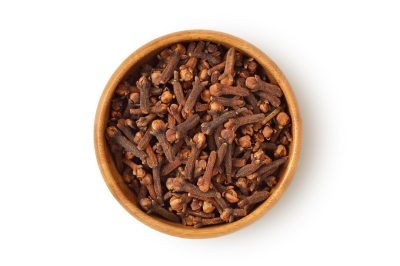
Clove
Description:
Cloves are intensely aromatic and often used in both sweet and savory preparations. Their warm, sweet, slightly bitter taste enhances a wide range of cuisines.
Health Benefits:
- Rich in eugenol, which has anti-inflammatory benefits
- Used in natural pain relief (especially clove oil)
- High antioxidant content
Key Highlights:
- Primary Origins: Indonesia, Madagascar, Tanzania
- Global Export Value (2022): $223 million
- Top Exporter: Indonesia (52% of global share)
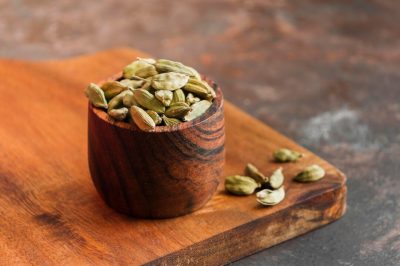
Green Cardamom
Description:
Green cardamom is a fragrant spice favored in Indian, Middle Eastern, and Scandinavian cuisines. It offers a sweet, citrus-mint flavor that complements both desserts and savory recipes.
Health Benefits:
- Aids digestion by improving enzyme flow
- Reduces inflammation
- May enhance oral hygiene due to antimicrobial properties
Key Highlights:
- Primary Origins: India, Guatemala, Tanzania
- Global Export Value (2022): $566 million
- Top Exporter: Guatemala (42% global market share)
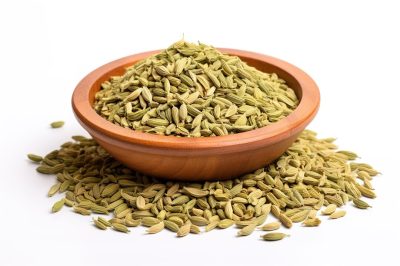
Fennel Seeds
Description:
Fennel seeds are commonly used in Mediterranean and Middle Eastern recipes. They have a mild sweetness with a licorice-like undertone and are suitable for both savory and dessert dishes.
Health Benefits:
- Eases digestion and relieves bloating
- Helps regulate blood pressure (due to potassium)
- Promotes skin health with antioxidant support
Key Highlights:
- Primary Origins: India, Egypt, China
- Global Export Value (2022): $151 million
- Top Exporter: India (55% of global exports)
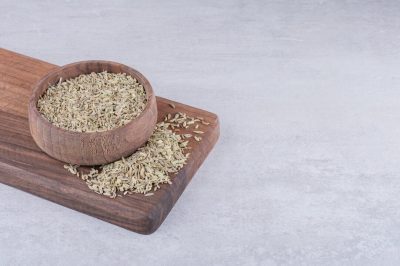
Cumin
Description:
Cumin is an earthy, aromatic spice widely used in Indian, Mexican, and Middle Eastern cooking. It has a warm, slightly bitter profile that adds complexity to countless recipes.
Health Benefits:
- Enhances digestion by stimulating bile and enzymes
- Acts as a natural anti-inflammatory
- Rich in antioxidants
Key Highlights:
- Primary Origins: India, Iran, Turkey
- Global Export Value (2022): $335 million
- Top Exporter: India (70% of global market)
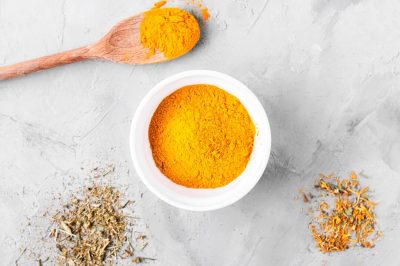
Turmeric
Description:
Known for its golden hue, turmeric is widely used in Indian and Southeast Asian dishes. It offers a mildly bitter, warming flavor, often paired with rice, soups, and curries.
Health Benefits:
- Contains curcumin, a powerful anti-inflammatory compound
- Strengthens the immune system
- May support brain health through neuroprotective effects
Key Highlights:
- Primary Origins: India, Vietnam, Indonesia
- Global Export Value (2022): $195 million
- Top Exporter: India (62% of global exports)